Philippines Secures Strait of Hormuz Breakthrough; Iran Guarantees Safe Passage for Ships and Seafarers
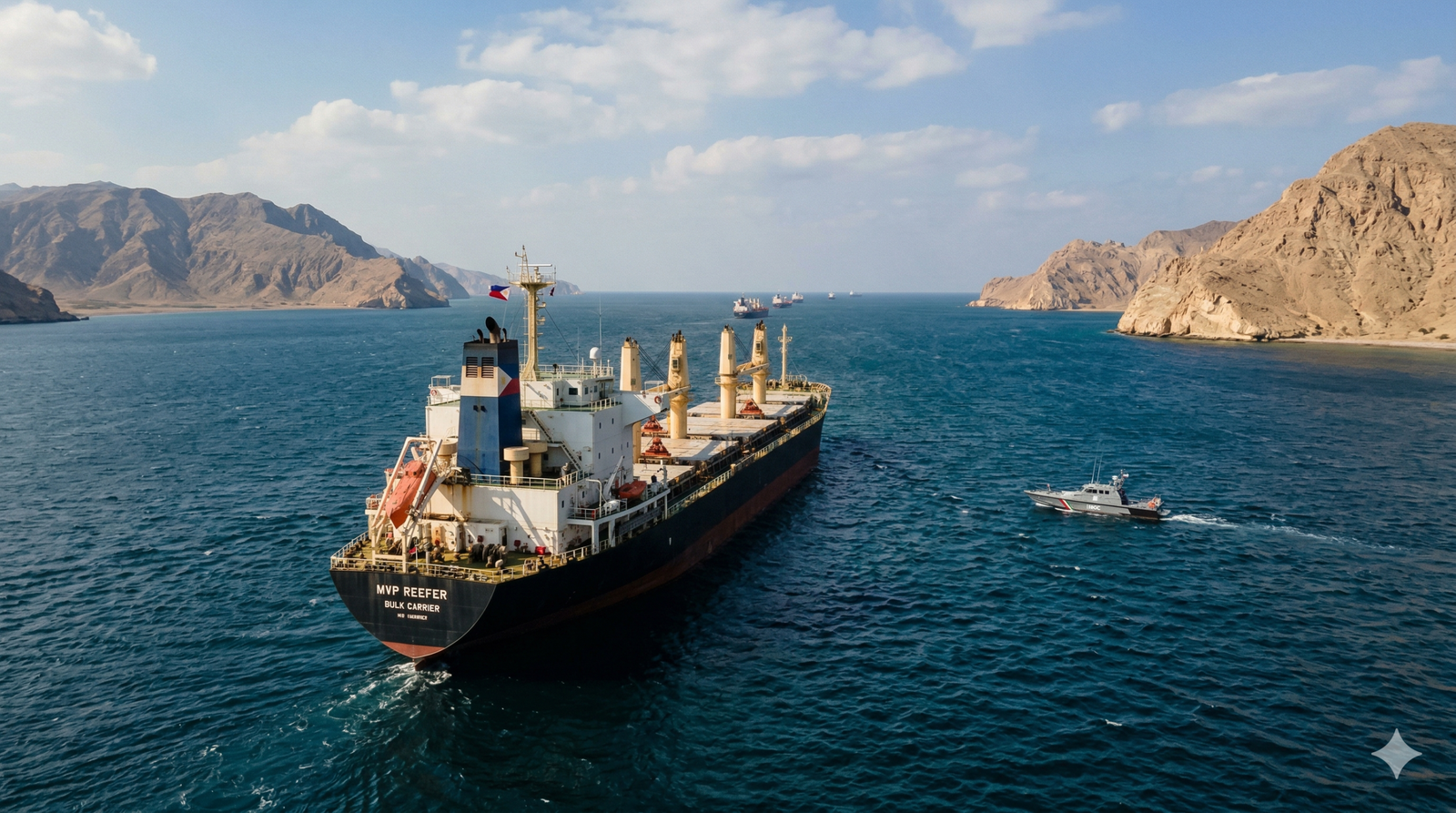
MANILA, Philippines — In a major diplomatic breakthrough, the Philippines has secured a formal guarantee from Tehran for the “safe, unhindered, and expeditious” passage of its vessels through the Strait of Hormuz. The agreement, reached during a high-level call on April 2, 2026, offers a critical reprieve for the country’s energy security and the safety of thousands of maritime workers.
The deal follows a direct directive from President Ferdinand Marcos Jr. for the Department of Foreign Affairs (DFA) to engage Iran. Foreign Affairs Secretary Ma. Theresa Lazaro confirmed the understanding after speaking with Iranian Foreign Minister Seyed Abbas Araghchi, amid a volatile regional climate that saw the waterway effectively restricted since late February.
Ending the Energy Squeeze
The timing is vital. On March 24, 2026, the Philippine government declared a National State of Energy Emergency as a de facto blockade by Iran sent global energy markets into shock. With the Philippines importing nearly 98% of its petroleum—over 50% of which comes from Saudi Arabia alone—the closure of the Hormuz chokepoint posed an existential threat to the domestic economy.
Under the new agreement:
- Energy Corridors: Philippine-flagged tankers carrying crude oil and liquefied petroleum gas (LPG) are granted passage.
- Agricultural Support: The transit of critical fertilizer supplies is secured, aimed at stabilizing rising food costs.
- Emergency Stocks: The Department of Energy (DOE) can now utilize its ₱20 billion emergency fund to begin aggressive stockpiling, targeting a buffer of 2 million barrels.
Protection for the “Seafarers”
Beyond cargo, the agreement explicitly covers the safety of all Filipino seafarers. As the world’s largest supplier of maritime labor, with approximately 400,000 workers currently deployed, the Philippines has been hit hard by regional tensions.
While the guarantee is absolute for Philippine-flagged vessels, a layer of complexity remains. Industry experts note that thousands of Filipinos serve on foreign-owned ships. The DFA and MARINA are currently finalizing protocols to transmit vessel and crew data to Iranian authorities to ensure the “non-hostile” designation applies to our nationals, regardless of the flag they fly.
The “Non-Hostile” Strategy
By securing this status, Manila joins a short list of nations—including China, India, and several ASEAN neighbors—exempted from the strictest transit restrictions. The move highlights a pragmatic shift in Philippine foreign policy: maintaining a robust defense alliance with the United States while successfully navigating independent diplomatic channels with Tehran to protect national interests.
For the Filipino consumer, the immediate impact will be felt at the pump. The DOE has already confirmed that over 1 million barrels of diesel are scheduled for delivery through April from sources including Japan, Malaysia, and Oman. This diplomatic corridor ensures those shipments arrive without the threat of seizure or delay.
Keywords: Philippines Iran relations, Strait of Hormuz passage, energy security Philippines, Filipino seafarers safety, oil supply blockade, Department of Foreign Affairs, Ma. Theresa Lazaro, energy emergency 2026.